

Projects
Operations
by project.
Six jobs with names, clients, equipment and numbers — from a lift inside a shopping centre still open to the public to a shutdown at a pelletising plant.
Construction
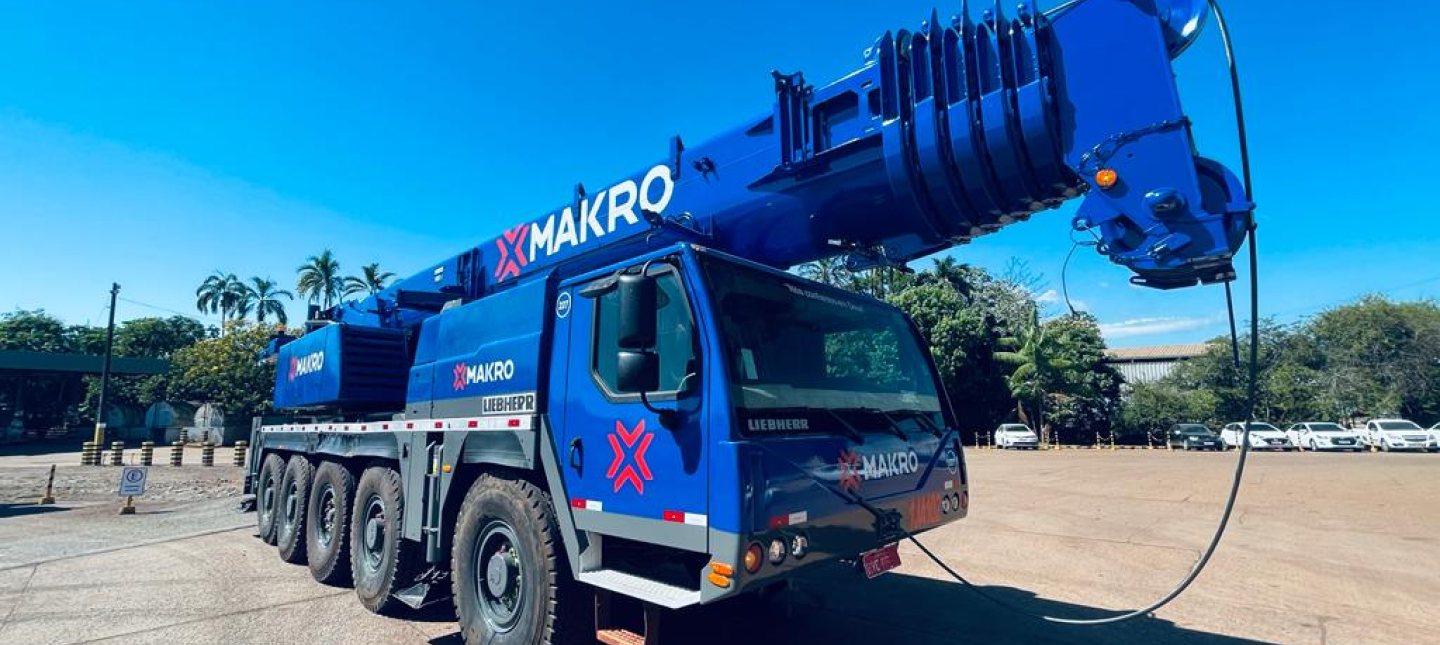
Brazil's largest telescopic crane inside a working shopping centre
Lifting the timber arches of the new façade with the Liebherr LTM 11200-9.1 — 1,200 tonnes, the longest telescopic boom in the country — over reclaimed mangrove ground.
The Iguatemi expansion called for lifting timber arches designed by the Italian practice Moretti, pieces of up to 16 tonnes, into a shopping centre still open to the public. The ground made everything harder: reclaimed mangrove, requiring a soil survey before anything entered the site.
Makro deployed the LTM 11200-9.1 in T3YVEN configuration with a luffing jib — 131 metres of reach, 202 tonnes of counterweight, working at 76° on a 96-metre radius. The piece required a 180° rotation in the air, with interference from the crane's own structure.
The rigging plan was the centrepiece of the operation, not an attachment to it.
- Client
- Jereissati Centros Comerciais
- Project
- Iguatemi shopping centre expansion
- Location
- Fortaleza — Ceará
- Sector
- Construction
- Period
- 20 May to 16 June
Who signed off
- Claudio Moraistechnical manager
- Abraão Limarigging engineer
Mining
Shutdown at a pelletising plant
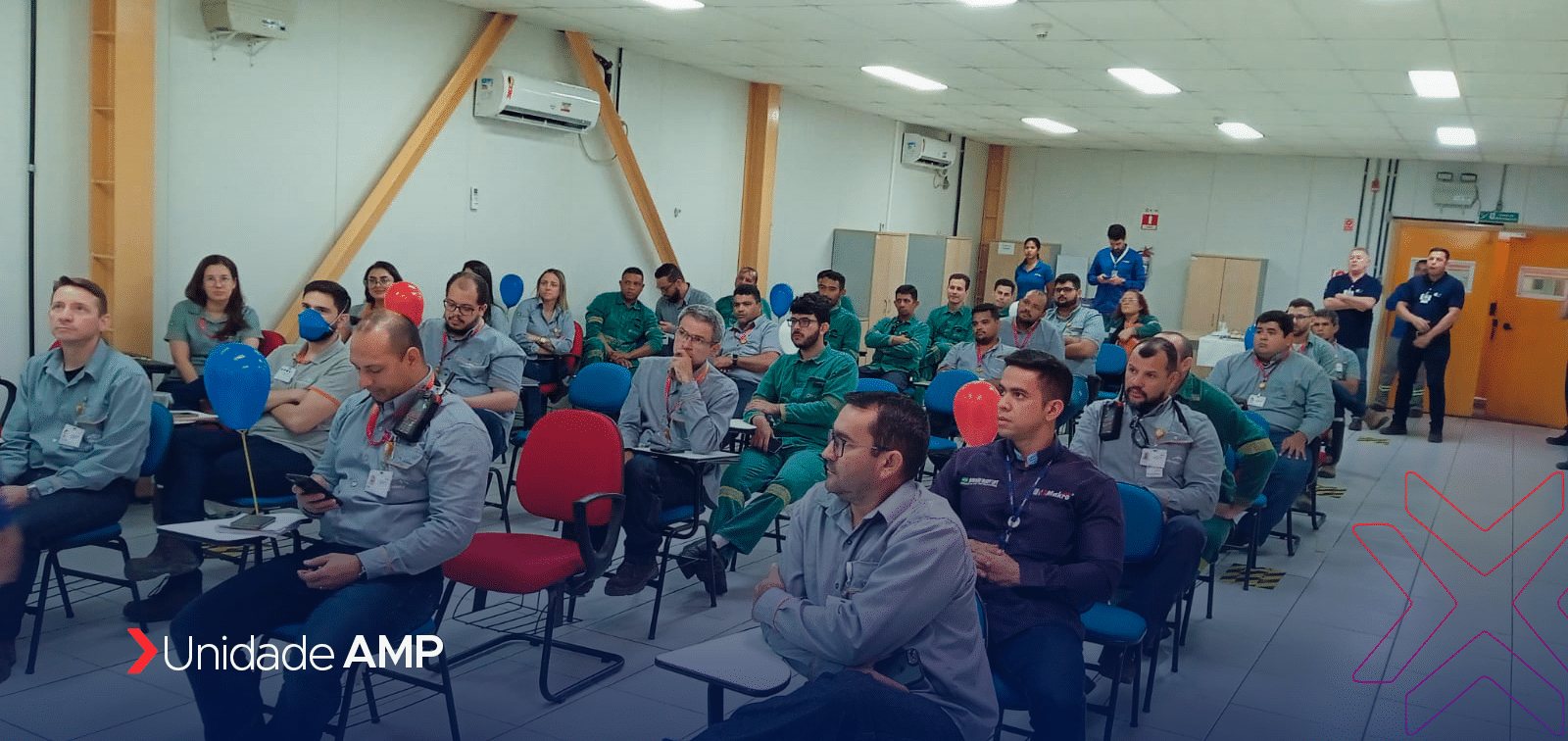
A thirty-day window, forty people from the local branch and three large cranes to replace rotors, dampers and furnace ventilation ducts.
A shutdown is the opposite of improvisation: the window is fixed, the plant is idle burning money by the hour, and every lift has a scheduled time. Makro brought in forty people from the São Luís branch and three machines sized for the most critical loads in the scope.
The main work fronts were activating and deactivating counterweight — a maximum load of 17.2 tonnes, rising from 11 to 23 metres — replacing the furnace ventilation duct at 10 tonnes and around 30 metres, and replacing rotors and dampers totalling 75 tonnes, with the heaviest rotor at 24 tonnes.
Before mobilisation came a site walkdown, a detailed rigging plan per work front and an on-site simulation — what the crew calls rigid planning.
- Client
- Brazil's largest mining company
- Project
- Planned shutdown — pelletising plant
- Location
- São Luís — Maranhão
- Sector
- Mining
- Period
- 21 May to 20 June 2025
Equipment deployed
- Liebherr LTM 1500-8.1 — 500 t
- Grove GMK6300-L — 300 t
- Liebherr LTM 1220-5.1 — 220 t
Who signed off
- David Rodriguespresident
- Felipe Cunhaengineer
Renewable energy
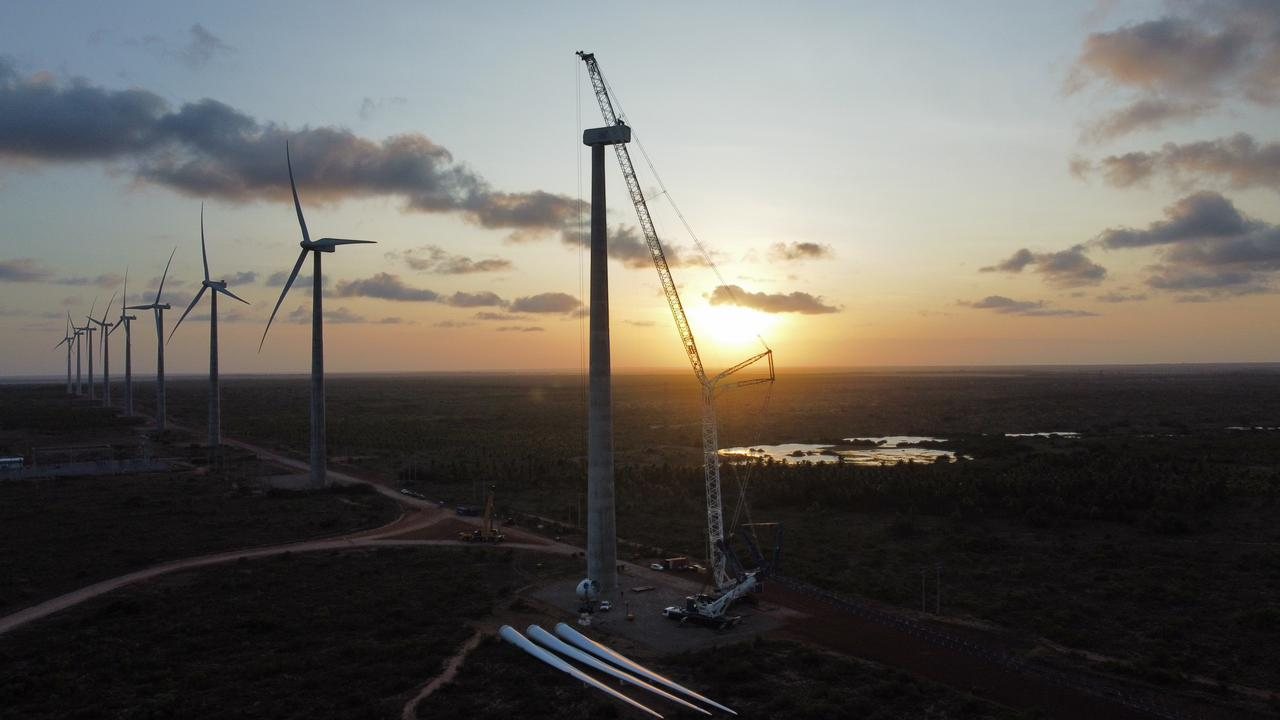
Turbine erection backed by 150 rigging studies
Four cranes, sections of almost 600 m³ lifted to 68 metres, and one hundred and fifty rigging studies before the first piece left the ground.
Erecting a turbine is engineering by window: the component is enormous, the sail area vast, and the wind — the reason the farm exists — is the enemy of the operation. Every lift happens in a gap between gusts.
Makro deployed a 500 t LTM 1500-8.1 as the main crane, supported by a 250 t LTM 1250-6.1, a 200 t Grove GMK 5200 and a 90 t LTM 1090-4.1 for ground assembly. The sections measured 497.8 m³ at 89.0 tonnes for the first and 594.3 m³ at 82.5 tonnes for the second, lifted to 68 metres.
Delivering every activity at the complex took 150 studies — rigging plans for erecting the cranes themselves, site layout, and procedures for travelling assembled or partly assembled machines.
- Client
- Wind complex — Northeast Brazil
- Project
- Wind farm construction
- Location
- Nordeste
- Sector
- Renewable energy
Equipment deployed
- Liebherr LTM 1500-8.1 — 500 t
- Liebherr LTM 1250-6.1 — 250 t
- Grove GMK 5200 — 200 t
- Liebherr LTM 1090-4.1 — 90 t
Renewable energy
Lifting at 120 metres between gusts — Top Crane 2022
The 2022 Top Crane award came for equipment optimisation on a wind job with lifts at 120 metres in very short windows.
Top Crane is the leading award in Brazil's lifting industry, and Makro has now collected fourteen. The 2022 award recognised something specific: equipment optimisation.
The job required lifts at 120 metres, executed in windows that opened between heavy gusts. Optimising here means choosing the configuration that fits the window — not the biggest machine available.
- Project
- Wind component logistics and erection
- Location
- Nordeste
- Sector
- Renewable energy
- Period
- 2022
Who signed off
- David Rodriguespresident
Power
Building the Energia Pecém power plant
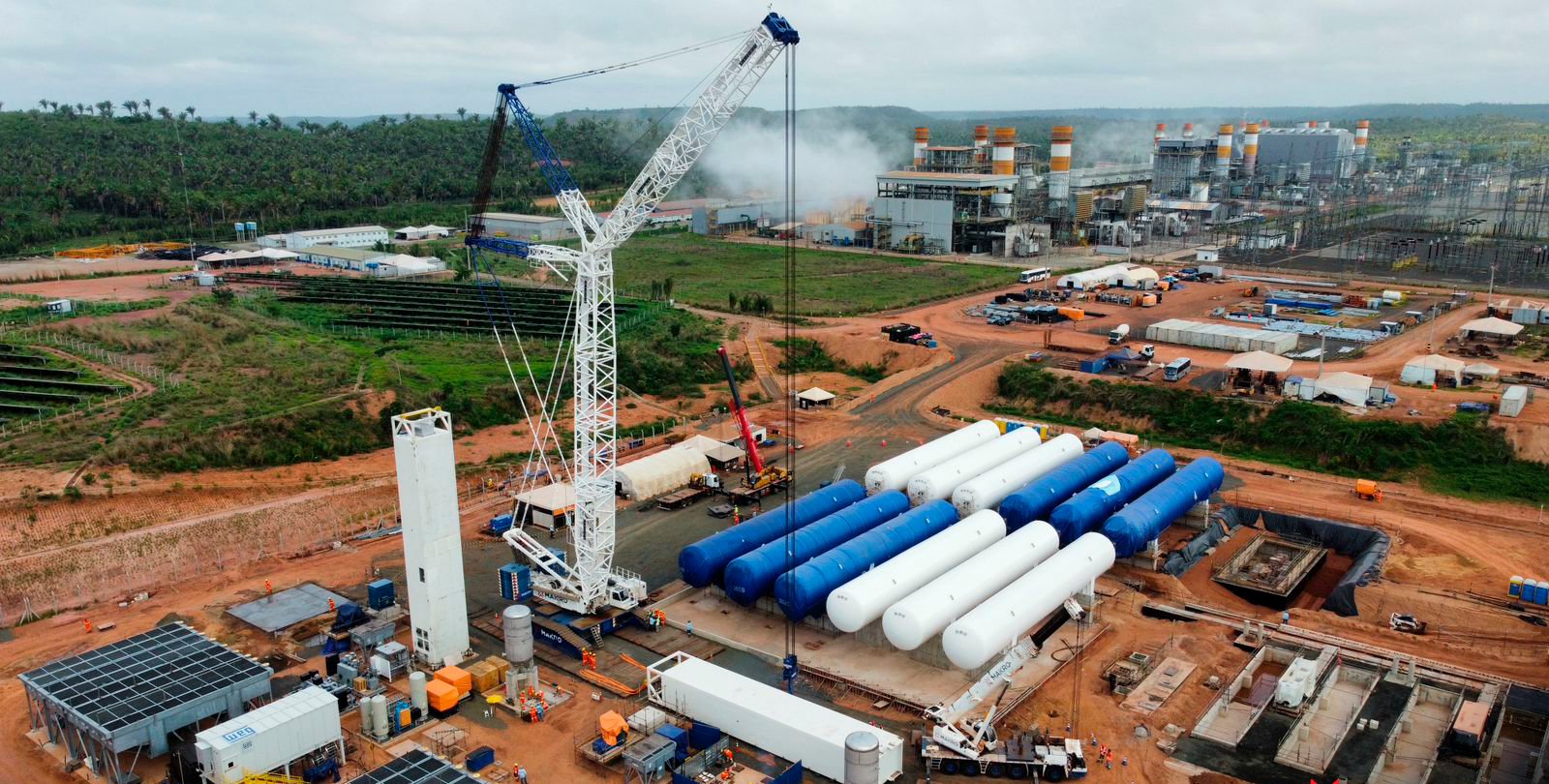
A fleet resident on site: telescopic cranes from 25 to 400 tonnes and crawlers from 250 to 400 tonnes throughout construction.
Building a power plant is not one lift — it is thousands of them, over years, with equipment resident on site and a permanent crew. At Energia Pecém, a partnership between EBX and Portugal's EDP, Makro kept a substantial fleet mobilised from start to finish.
Telescopic cranes from 25 to 400 tonnes for the day-to-day erection fronts, and crawlers from 250 to 400 tonnes for the heaviest process equipment. It was the job that established Makro's presence at the Pecém complex — where the company still keeps a base.
- Client
- EBX e EDP
- Project
- Energia Pecém power plant
- Location
- São Gonçalo do Amarante — Ceará
- Sector
- Power
Equipment deployed
- Telescopic cranes 25–400 t
- Crawler cranes 250–400 t
Steel
The largest shutdown in the plant's history
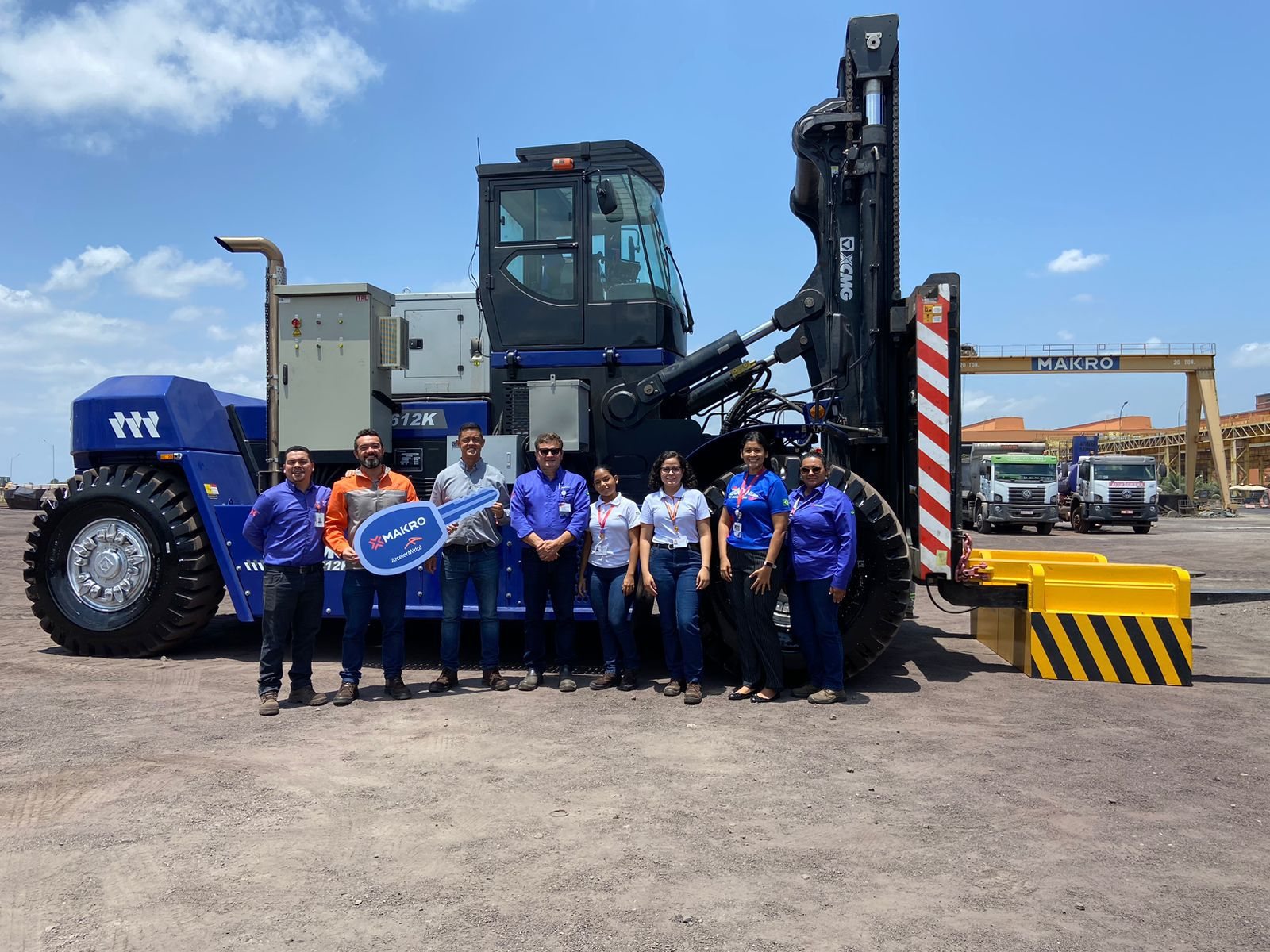
Ahead of the largest shutdown ever undertaken at the steelworks, Makro and ArcelorMittal jointly ran a safety workshop on lifting operations.
The relationship with the Pecém complex began in 2012, building Companhia Siderúrgica do Pecém — today ArcelorMittal Pecém. More than a decade on, Makro works inside the plant with a crew and assets dedicated to the contract.
Preparing for the largest shutdown in the plant's history, the two companies jointly ran a safety workshop dedicated to lifting operations — the kind of work that happens months before any crane is mobilised.
- Client
- ArcelorMittal Brasil
- Project
- Pecém steelworks
- Location
- São Gonçalo do Amarante — Ceará
- Sector
- Steel
Equipment deployed
- XCMG XCF1612K forklift — 16 t
- Makro gantries — 20 t
Next project
Yours could be
the
next one.
Send the drawing, the weight and the shutdown window. Engineering returns a feasibility study, an equipment configuration and a proposal.